Paramedical Courses After 10th: The Honest 2026 Guide to Diplomas, Fees, Salary and Hospital Jobs
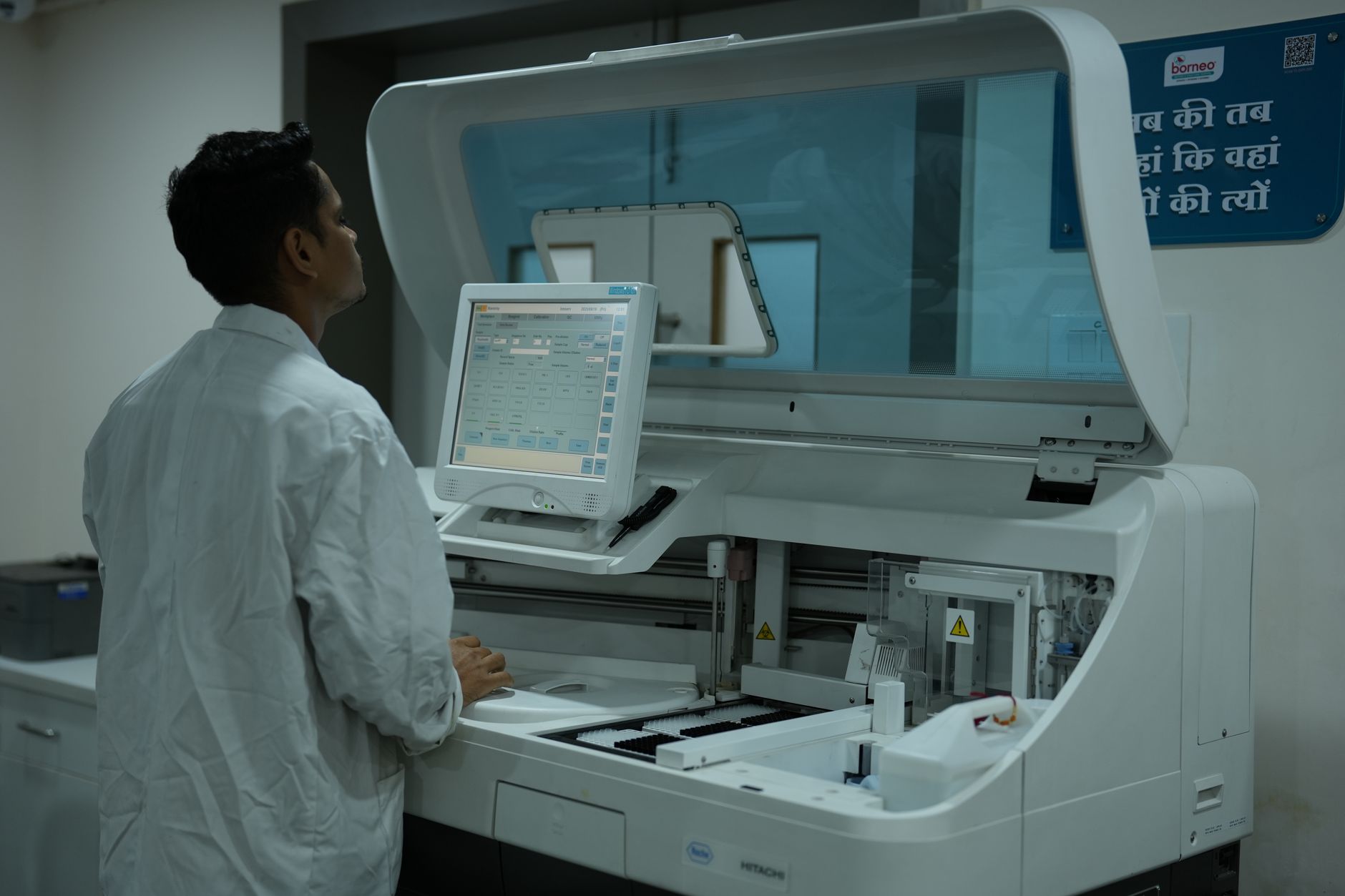
Considering paramedical courses after 10th? Quick answer: Paramedical courses after 10th are 1-2 year diplomas (or 6-12 month certificates) in fields like DMLT, X-ray, OT and dialysis technology. They need a 10th pass with Science (around 50%), no NEET, cost Rs 10,000-1.5 lakh, and lead to hospital jobs paying 2.5-7.5 LPA.
Paramedical courses after 10th are 1-2 year diplomas (or 6-12 month certificates) in fields like medical lab technology, X-ray, operation-theatre and dialysis technology. They need a Class 10 pass with Science (roughly 50%), no NEET, cost between Rs 10,000 and Rs 1.5 lakh, and lead to real hospital jobs paying 2.5-7.5 LPA.
If you have just finished Class 10 and you like biology, hospitals and the idea of a job that actually exists in every town, this is one of the few honest shortcuts left. You do not wait until you are 22 with a degree and a loan. You train for a year or two, you walk into a diagnostic lab or a hospital ward, and you start earning. This guide cuts through the marketing and tells you what these courses really cost, what they really pay, and who they are genuinely a good fit for.
What "paramedical" actually means in 2026
"Paramedical" is the everyday word for the people who keep a hospital running around the doctor: the lab technician who runs your blood test, the technician who takes your X-ray, the person who assists in the operation theatre, the one who runs the dialysis machine. The doctor diagnoses and prescribes; these professionals do the technical work that makes diagnosis and treatment possible.
One thing has changed on paper. The government's regulator, the National Commission for Allied and Healthcare Professions (NCAHP), has officially renamed the field "Allied and Healthcare Professions." So when you see "allied health" on a newer college brochure, it means the same thing as paramedical. The name is being upgraded because the work is skilled, licensed and in short supply. That is good news for anyone entering now.
Eligibility: what you need, and the NEET question answered straight
For most paramedical courses after 10th, the entry bar is simple: you must have passed Class 10 from a recognised board. Many colleges prefer or require that you had Science, and a lot of them ask for around 50% marks, though the exact cut-off varies by state and institute. Certificate and diploma programmes at this level do not use NEET. Admission is usually by merit (your 10th marks) and sometimes a short interview.
Now the part most websites get wrong, so read carefully. In 2026 the NCAHP made NEET and Class 12 Science compulsory for admission to undergraduate degree programmes in allied health (like a three-year B.Sc in Medical Lab Technology or Physiotherapy). That rule is for degrees. It does not turn your after-10th diploma into a NEET course. Diploma and certificate paramedical courses after 10th remain NEET-free and merit-based right now.
The honest caveat: regulations are tightening across the whole field, and a few states are gradually pushing more programmes toward a Class 12 entry point. So before you pay any fee, confirm two things on the college's own page and your state paramedical council: that this specific diploma accepts a 10th pass, and that the college is recognised. Do not take a coaching advertisement's word for it.
The diplomas actually worth your time after 10th
There are dozens of paramedical courses after 10th, but a handful carry real hiring demand. Here is what each one involves and where it puts you.
| Course | Duration | What you actually do |
|---|---|---|
| DMLT (Diploma in Medical Lab Technology) | 1-2 years | Run and analyse blood, urine and tissue tests; handle lab machines and reports |
| Diploma in Radiography / X-Ray Technology | 1-2 years | Operate X-ray, CT and MRI machines; follow radiation-safety rules |
| Diploma in OT (Operation Theatre) Technology | 1-2 years | Prepare the operation theatre, sterilise instruments, assist the surgical team |
| Diploma in Dialysis Technology | 1-2 years | Set up and run dialysis machines for kidney patients; monitor them during sessions |
| Certificate/Diploma in ECG or Cardiac Care Technology | 6 months-1 year | Run ECG and basic cardiac tests; assist in cardiology units |
| Certificate in Nursing Care Assistant / Home Health Aide | 6-12 months | Basic patient care, vitals, support to nurses in wards and home care |
If you want the single safest bet, DMLT is the workhorse. Every hospital, every diagnostic chain, every small clinic needs lab technicians, so a DMLT diploma travels well from a metro to a small town. X-ray and dialysis technology are close behind, with dialysis demand rising fast because kidney disease is climbing in India. OT technology suits people who are calm under pressure and want to be inside the surgical action.
Fees: government versus private, the real numbers
This is where families over-pay out of fear. You do not need to. The gap between a government-affiliated institute and a glossy private college is enormous, and the qualification is the same on your certificate.
| Type of institute | Certificate course | Diploma course (full) |
|---|---|---|
| Government / government-affiliated | Rs 1,000 - 10,000 | Rs 7,000 - 40,000 |
| Mid-range private | Rs 15,000 - 40,000 | Rs 40,000 - 90,000 |
| Premium private | Rs 40,000 - 70,000 | Rs 1,00,000 - 1,50,000+ |
Figures are indicative for 2026 and vary by state and course; always check the current fee on the institute's own page. The practical takeaway is blunt: a government paramedical institute or a state medical-college-attached school can train you for a fraction of a private fee, and hospitals do not pay you more for having paid more for your diploma. Apply to the government options first. Treat expensive private colleges as a fallback, not a status symbol.
Salary: fresher to experienced, no rounding up
Let us be realistic, because inflated salary claims are how bad colleges sell seats. Your first job after a paramedical diploma will not make you rich. It will make you employed, self-reliant and on a ladder — which at 17 or 18 is a lot.
| Stage | Typical monthly pay | Annual (indicative) |
|---|---|---|
| Fresher (0-1 yr, private lab/hospital) | Rs 12,000 - 24,000 | ~2.5 - 3.5 LPA |
| Experienced (3-5 yrs) | Rs 25,000 - 45,000 | ~3.5 - 6 LPA |
| Senior / specialised (dialysis, imaging, supervisor) | Rs 40,000 - 60,000+ | ~5 - 7.5 LPA |
| Government technician post (after selection) | Rs 35,000 - 55,000 | Stable pay + benefits |
Two things move you up this table faster. First, specialising in a high-demand skill: dialysis and imaging technicians with a few years of experience routinely reach the upper bands because hospitals cannot easily replace them. Second, landing a government technician post. Recruited technician jobs in institutions like AIIMS or ESIC, filled through state or central selection, can start well above private pay and come with the security private hospitals never match. Those posts usually need a recognised diploma as the minimum and a selection process, so they are a target to work toward, not a guaranteed first paycheck.
The diploma-to-degree ladder — your real long game
Here is the strategic reason paramedical courses after 10th are smarter than they look. They are not a dead end. They are a ladder.
After Class 12, a diploma holder can often use lateral entry to join a B.Sc degree in the same field — for example, a DMLT holder entering the second year of a B.Sc in Medical Laboratory Technology, skipping the first year. You earn while you are young, then top up to a full degree later, sometimes part-time, often while already holding a hospital job that respects your hands-on experience.
That path — 10th, then a diploma and a job, then a degree by lateral entry — lets a family with limited money produce a degree-qualified allied-health professional without a decade of dependency. It is one of the most underrated routes in Indian education, and it is exactly the kind of plan a good counsellor will map for you. If you are weighing this against waiting for a full course later, our guide to paramedical courses after 12th lays out the degree side for comparison.
Government-hospital scope and the registration you must not skip
Paramedical courses after 10th are valid for hospital and government jobs — but only if your qualification is recognised. Under the NCAHP framework, allied and healthcare professionals are meant to be entered on a central and state professional register. In practice this means your diploma must come from an institute recognised by your state allied-and-healthcare council. A recognised diploma opens doors to government recruitment, ESIC, railway and municipal hospitals, and private hospital chains alike.
An unrecognised "diploma" from a fly-by-night institute can leave you unable to register and locked out of the better jobs. This single check — recognition — separates a good decision from a wasted year. Verify it on the NCAHP or your state council site before you enrol.
Is it worth it? An honest look at who it suits
Let me not oversell this. Paramedical courses after 10th are a strong choice for a specific kind of person, and a poor one for others.
They suit you if: you want to earn early, you are comfortable around blood, machines, patients and shift work, your family needs you financially independent soon, and you would rather build a hospital career step by step than sit out four expensive years. For a practical, hands-on student who was never going to enjoy pure theory, this is a genuinely good life.
They may not suit you if: your real goal is to become a doctor. A paramedical diploma is not a back-door to an MBBS — that road runs through Class 12 Science and NEET, full stop. If you can realistically aim for a medical or nursing degree and your family can support that timeline, weigh it seriously first. Also be honest about the work: it can be physically tiring, involves night shifts, and the fresher pay is modest. Go in clear-eyed.
The field is also stabilising in a way that helps newcomers. With NCAHP standardising 17 allied-health curricula for 2026-27 and formalising registration, the profession is becoming more respected and better defined than it was even five years ago. You are entering at a good moment.
How to choose a genuine college (and dodge the traps)
The paramedical space has excellent institutes and outright scams sitting side by side. Use this short checklist before you pay a rupee:
- Recognition first. Confirm the institute is recognised by your state allied-and-healthcare council or a proper university. No recognition, no enrolment.
- Ask about clinical hours. A real diploma includes hands-on training and an internship in an actual hospital or lab. If it is all classroom and no practical, walk away.
- Check placement honestly. Ask for names of hospitals where last year's batch actually got hired, not a glossy percentage.
- Government first, private second. Apply to government and medical-college-attached schools before paying premium private fees for the same certificate.
- Match the course to demand. DMLT, X-ray and dialysis technology have wide, steady hiring. Pick for the job market, not for the fanciest-sounding name.
Your roadmap: from Class 10 to your first hospital job
Put together, the plan for paramedical courses after 10th is refreshingly clear:
- Pick a high-demand diploma — DMLT is the safest all-rounder; add X-ray, OT or dialysis if a specific hospital role appeals.
- Shortlist recognised institutes, government options first, and confirm they accept a 10th pass for that diploma.
- Complete the 1-2 year diploma, taking the internship seriously — that is where you actually become hireable.
- Get registered and take your first job in a lab, diagnostic centre or hospital.
- After a couple of years, use lateral entry to add a B.Sc while you keep earning, or specialise to climb the pay ladder.
Done deliberately, this route turns a Class 10 certificate into a stable, respected healthcare career within two years — with a clear road to a degree afterwards. If you are still unsure which paramedical courses after 10th fit your marks, budget and temperament, that is precisely the kind of decision worth talking through with a counsellor before you commit a year of your life to it. Explore your wider options in our courses after 10th guide, or book a session through career counselling after 10th to map the right path for you.
How to check that a paramedical college is genuine
Because demand is high, not every institute advertising a paramedical diploma is properly recognised. Before you pay any fee, confirm that the course is approved by your State Paramedical Council or registered under the National Commission for Allied and Healthcare Professions, and ask to see the affiliation in writing. A genuine college will show its recognition details, hospital tie-ups for practical training, and past placement records without hesitation. These details vary by state, so verify them on the official regulator's site rather than relying on the college's own brochure.
Before paying any fee, verify recognition and course details with official sources such as the NCAHP (ncahp.abdm.gov.in) and AIIMS, which runs its own paramedical programmes (aiimsexams.ac.in).
Other allied-health routes worth comparing
Before you settle on one path, it helps to compare related allied-healthcare training side by side — a medical lab technician (DMLT) course, radiography and X-ray technology, operation-theatre technology, dialysis technology, or a broader healthcare technician programme. Each opens similar entry-level hospital and diagnostic-lab roles, so choose the one that matches the department you enjoy working in. If you are still deciding, list the diplomas that appeal to you and check which nearby colleges are properly recognised before you apply.
Modern Curriculum & Future-Ready Colleges for Paramedical courses after 10th
What paramedical courses after 10th now teach: Covers NCAHP's 17 standardised allied-health curricula rolling out for 2026-27, the shift from the old "paramedical" label to "Allied and Healthcare Professions", mandatory clinical/internship hours, and how a recognised diploma now maps to a central professional register.
Colleges using advanced learning: Notes government-affiliated allied-health institutes (AIIMS-linked schools, state government paramedical institutes, GMC-attached schools) as the low-fee, high-trust option, and flags how to check NCAHP/state-council recognition before paying any private college. When you compare paramedical courses after 10th, prioritise colleges following this updated curriculum.
Frequently Asked Questions
What is the qualification for OT technician?
Hospitals usually look for a recognised Diploma or B.Sc in Operation Theatre Technology, which generally needs Class 12 with science, plus practical training in an operation theatre. Certificate holders can work as OT assistants, and registration under the national allied-health framework (NCAHP) is becoming important, so check that your course is recognised.
Can I do DMLT after 10th?
In some states, yes — certain state boards and approved institutes run one- to two-year DMLT or lab-technician diplomas for Class 10 pass students. Many recognised DMLT programmes, however, require Class 12 with science, and rules differ by state, so check the eligibility and the course's recognition with your state paramedical council before enrolling.
Can I do OT after 10th?
You can start with an OT assistant certificate or diploma at some approved institutes after Class 10, but many recognised Diploma in Operation Theatre Technology programmes, especially at hospital-run schools, ask for Class 12. For hospital posts and long-term growth, plan to move up to a recognised diploma or a B.Sc in OT technology.
Can I do DPT after 10th?
Generally not for a recognised qualification — a Diploma in Physiotherapy usually requires Class 12 with Physics, Chemistry and Biology, and practising as a physiotherapist requires the four-and-a-half-year BPT degree. After Class 10, the better route is science with Biology in Class 11 and 12, then DPT or BPT.
Which course is best for a doctor after 10th?
To become a doctor (MBBS), choose Science with Biology (PCB) in Class 11 and 12 and prepare for NEET-UG — no paramedical course replaces that route. Paramedical diplomas lead to technician and assistant roles, which are good careers in their own right but are not a path to becoming a doctor.
Is OT technician a good career?
Yes, for people who stay calm under pressure and want to work alongside surgical teams. OT technicians prepare the theatre, manage equipment and sterilisation and assist during surgery, and demand is steady as surgical care grows. Pay starts modest and rises with experience, specialisation and a degree-level qualification.
Related Guides
Official Sources & Further Reading
- National Commission for Allied and Healthcare Professions (NCAHP) — official regulator, Ministry of Health & Family Welfare
- NCAHP — notified allied & healthcare curricula (2026-27, mandatory)
- NCAHP — professional registration (central & state registers)
Key takeaway: the best paramedical courses after 10th match your interests, budget and goals — a quick aptitude check helps you decide with confidence.
Disclaimer:
Salary figures, course fees and other course details & career information provided in this article are for general reference only and may vary based on location, company, experience & market conditions. All kinds of information and data shared in this article have been sourced from publicly available websites and digital platforms. Readers are advised to independently verify all information from official and authentic sources before making any career decisions and educational decisions. GlobalCareerLabs.com does not guarantee the accuracy or authenticity of this data. And so, Global Career Labs shall not be held responsible for any decisions made on the basis of this information.